





Which electric patio heater suits your seating area?
Choose an electric patio heater for the area you actually use. An open patio, a sheltered canopy and a movable lounge area each need a different combination of radiation, power and mounting. Start with shelter and your preference for visible light, then compare the available versions.
Jump to: Short-wave or dark radiator · Compare three models · Mounting and power · Controls and consumption
Short-wave heater or dark radiator?
- Open or partly open patio: first compare short-wave heaters for targeted warmth that is felt quickly. Wind, distance and seating positions still matter; wind can still reduce comfort.
- Sheltered canopy or veranda: a ceramic dark radiator may suit you if you want warmth without visible light. Have its coverage assessed at the intended mounting height.
- Less glow preferred: an amber lamp or low-light version is not automatically a light-free dark radiator. Compare the heating element and light variant of the exact model.
For a layout under a roof, see our guidance on heating a covered patio. A dark radiator and a short-wave model with the same wattage will not necessarily provide the same comfort at your seat.
Compare three patio heaters
These examples separate the heating technology from the installation style. The wattages below are separate product versions, not automatic dimming levels. When ordering, check the selected variant, the appropriate mounting hardware and the controls required.
| Model | Radiation and light | Available power options | Positioning and selection |
|---|---|---|---|
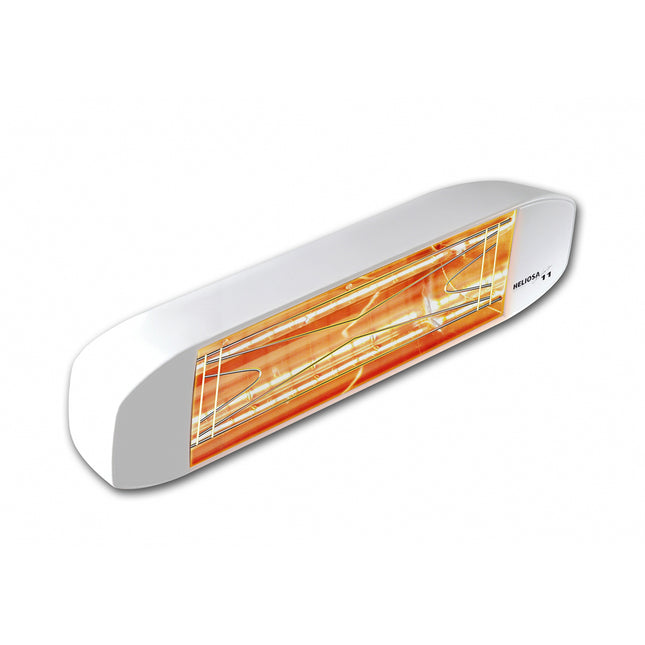
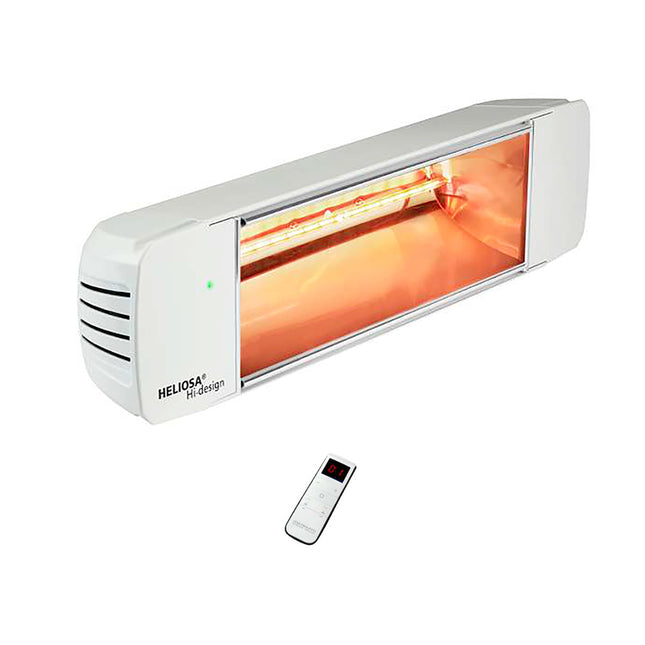
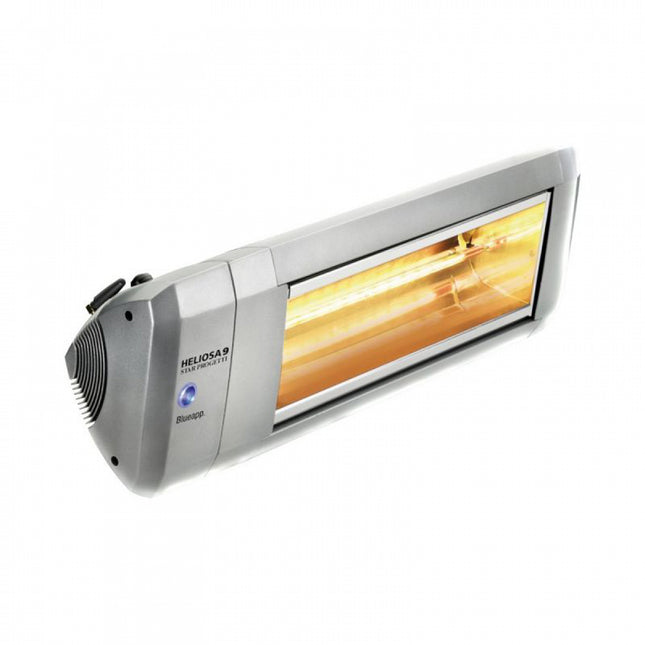
| Heliosa 11 | Short-wave; red or amber light, depending on the variant. | 1500 / 2000 W | Compact wall model. Select both power and light variant on the product page. |
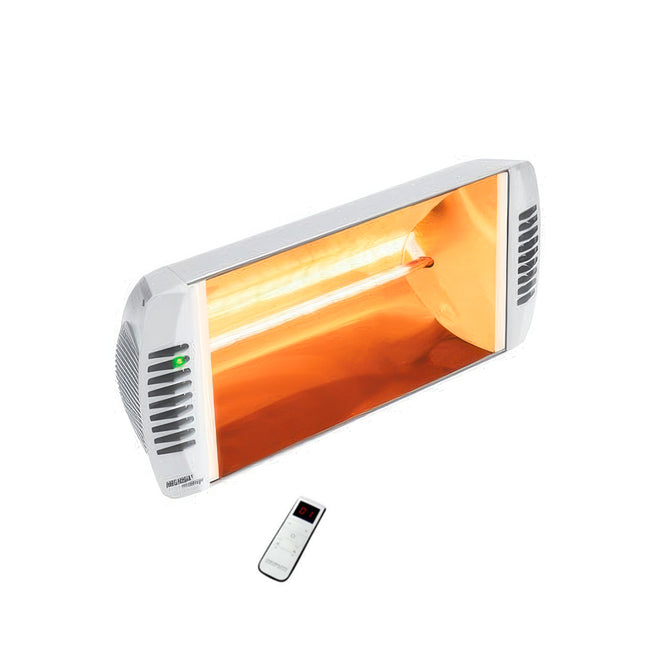
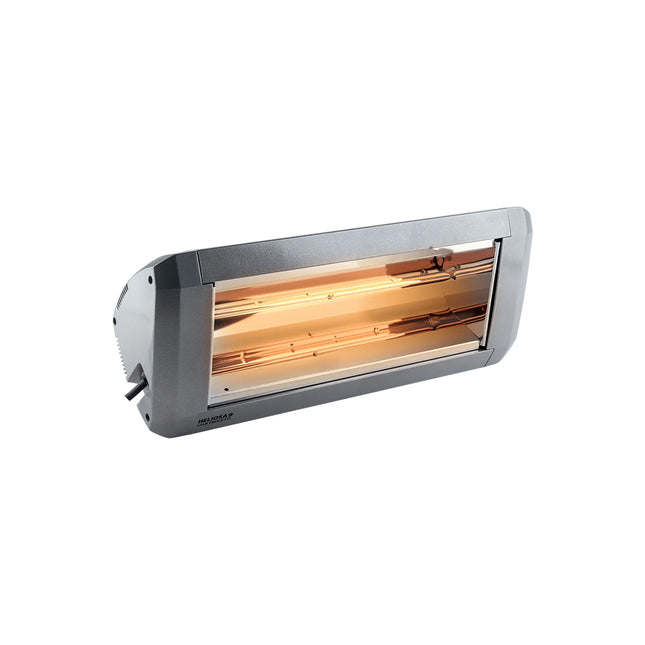
| Welltherm HPSK | Ceramic dark radiator without visible light. | 1300 / 1950 W | Wall or ceiling with suitable fixing. Consider it for a sheltered seating area. |
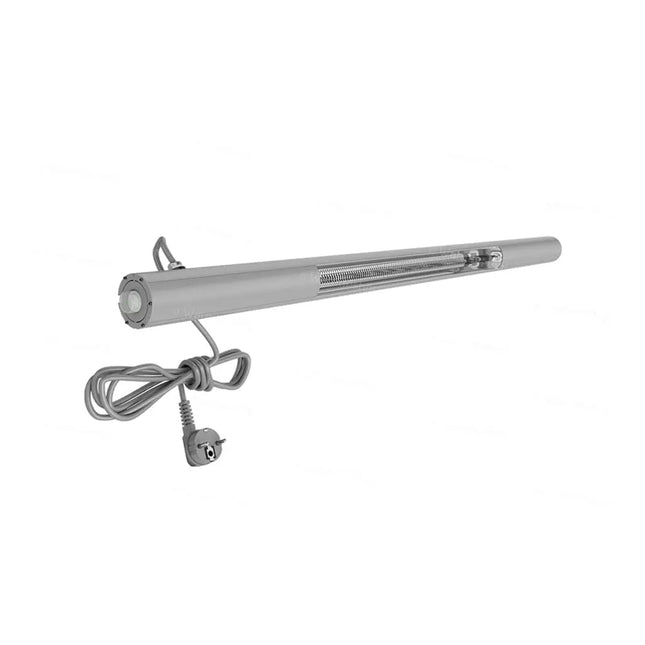
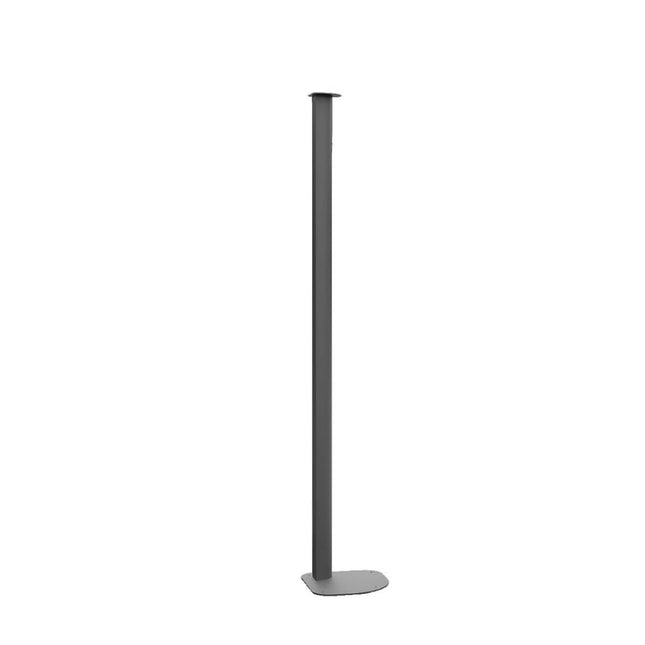
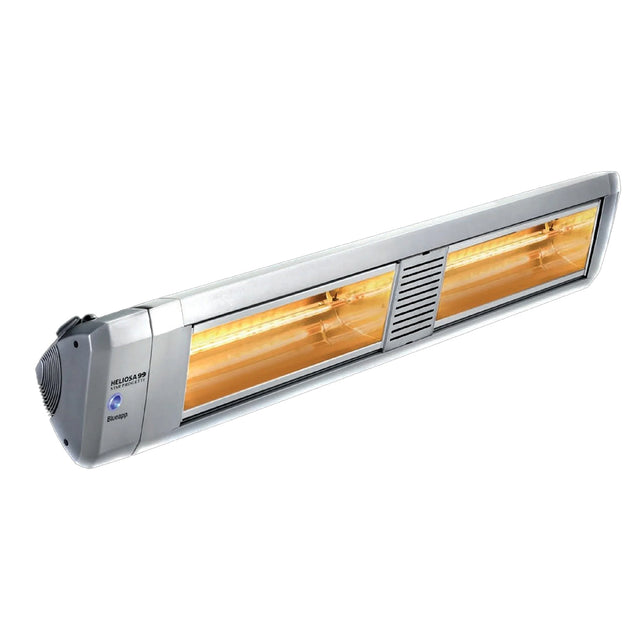
| Heliosa Tower | Short-wave; two heaters on a stand. | 3000 / 4000 W | Freestanding with adjustable heaters. Check space for the base, cable routing and electrical load. |
Follow the model links for current prices, delivery and accessories. The Tower is a complete standing solution; a separate stand is an accessory that must match the heater. Any stated coverage in m² depends on conditions, including shelter, mounting and temperature.
Plan mounting and power together
- Measure the seating area: note the table or lounge area's length and width, open sides and available mounting height.
- Choose the direction: aim the radiant heat at the area you use. For a long table, two carefully positioned heaters may be more practical than one central unit.
- Check the version: compare wall and ceiling models with patio heaters on stands. Use only a permitted mounting position and suitable brackets.
- Check space and power supply: follow the model manual for distances from fabric, timber, ceilings and other materials. Have the total electrical load assessed, particularly for multiple heaters or a 4000 W version.
There is no universal mounting height or watts-per-m² rule for every outdoor patio. Guidelines for heating an indoor room cannot be applied directly to an open patio. Include dimensions and a photo or sketch when requesting a heating layout.
Rain, shelter and positioning
Check the IP rating alongside the mounting conditions permitted in the manual. A canopy does not always stop wind-driven rain. Plugs, cables and controls must also suit the outdoor location. If unsure, have the fixing and connection assessed by a professional. Move a standing heater only when it is switched off and cool, and keep cables away from walking routes.
Controls, dimming and electricity use
Choose a switch, remote control or suitable power controller that is easy to use day to day. Check which controls are included with the selected version. An ordinary lighting dimmer is not necessarily suitable for a heating lamp. Compare our patio heater dimmers and patio heating accessories for compatibility and switching capacity.
Calculate consumption as power in kW × active operating hours = kWh. A 2000 W heater running at full power for one hour uses 2 kWh. Multiply this by your own electricity tariff. The selected setting, operating time and occupied zones determine running costs; a lower wattage does not guarantee a better result in a windy location.
Patio heating for homes and hospitality
For advice, identify the seats used at the same time, the amount of shelter, power supply points and mounting positions. On a restaurant terrace, separate table zones help you switch on only occupied areas. Also say whether visible light is welcome and whether you want fixed mounting or a standing model.